Click
Click
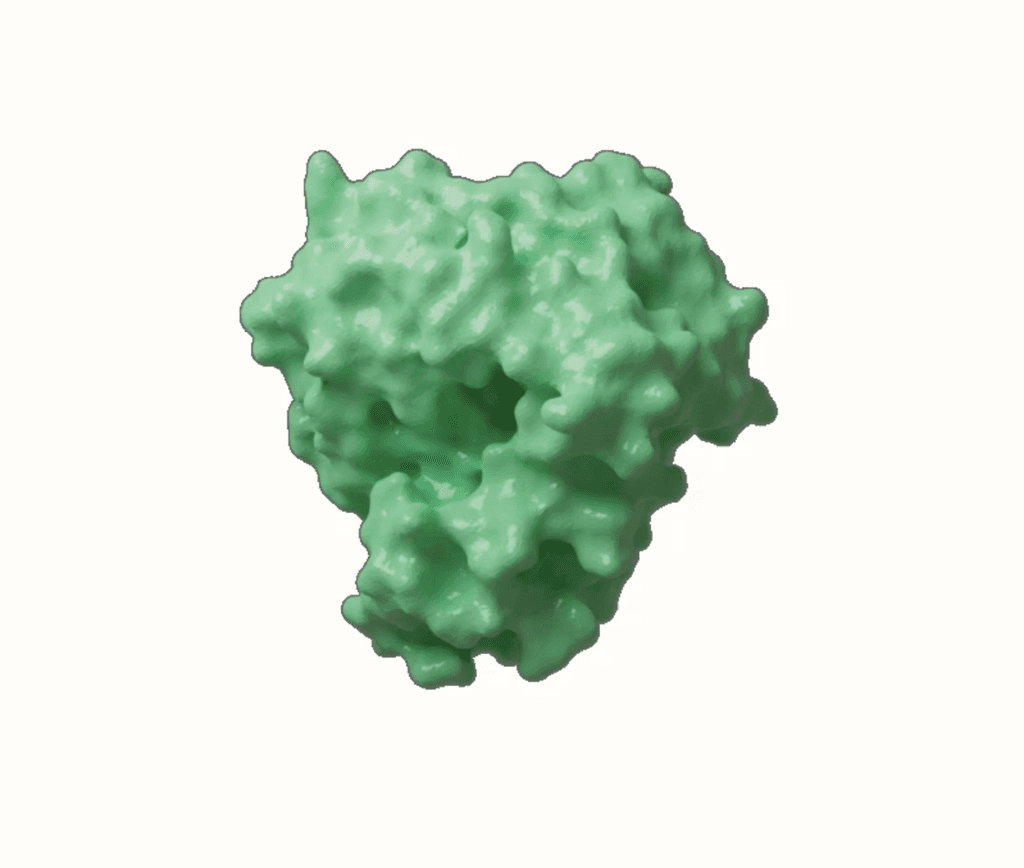
Neuraminidase (NA) allows newly produced viruses to leave cells they are bound to by cleaving sialic acid from the cell's surface. There are nine subtypes of hemagglutinin (N1-N9).
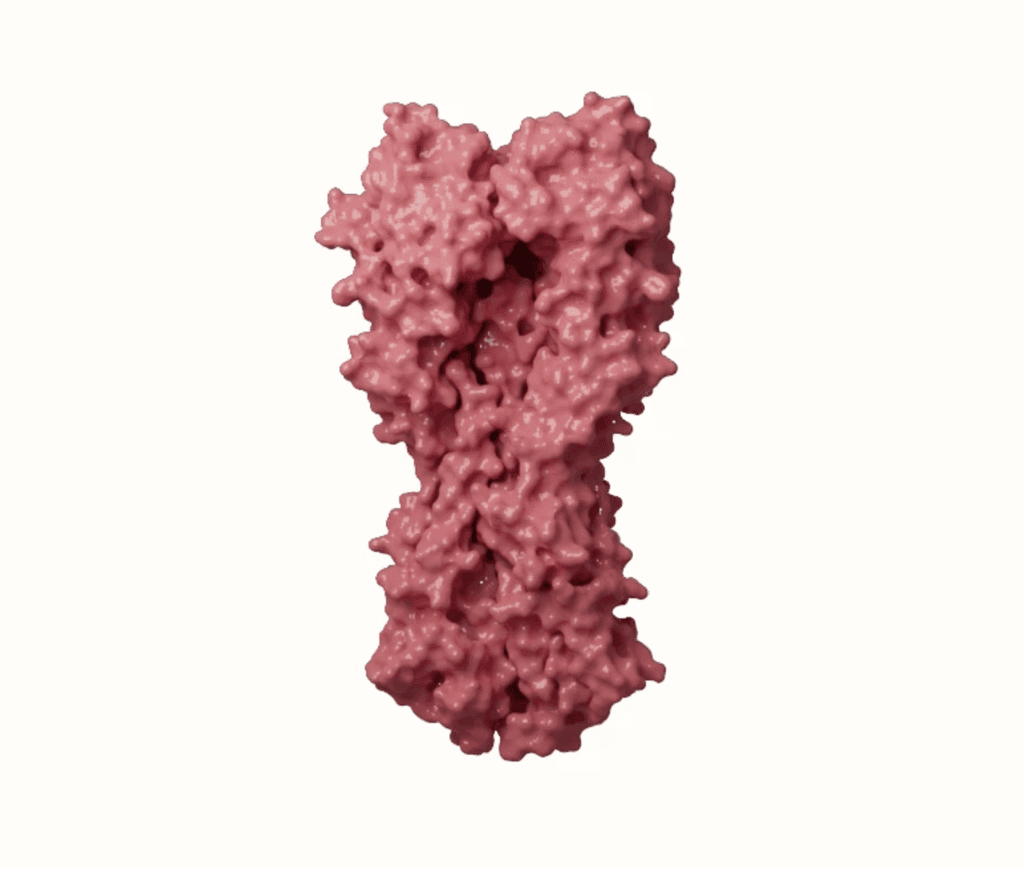
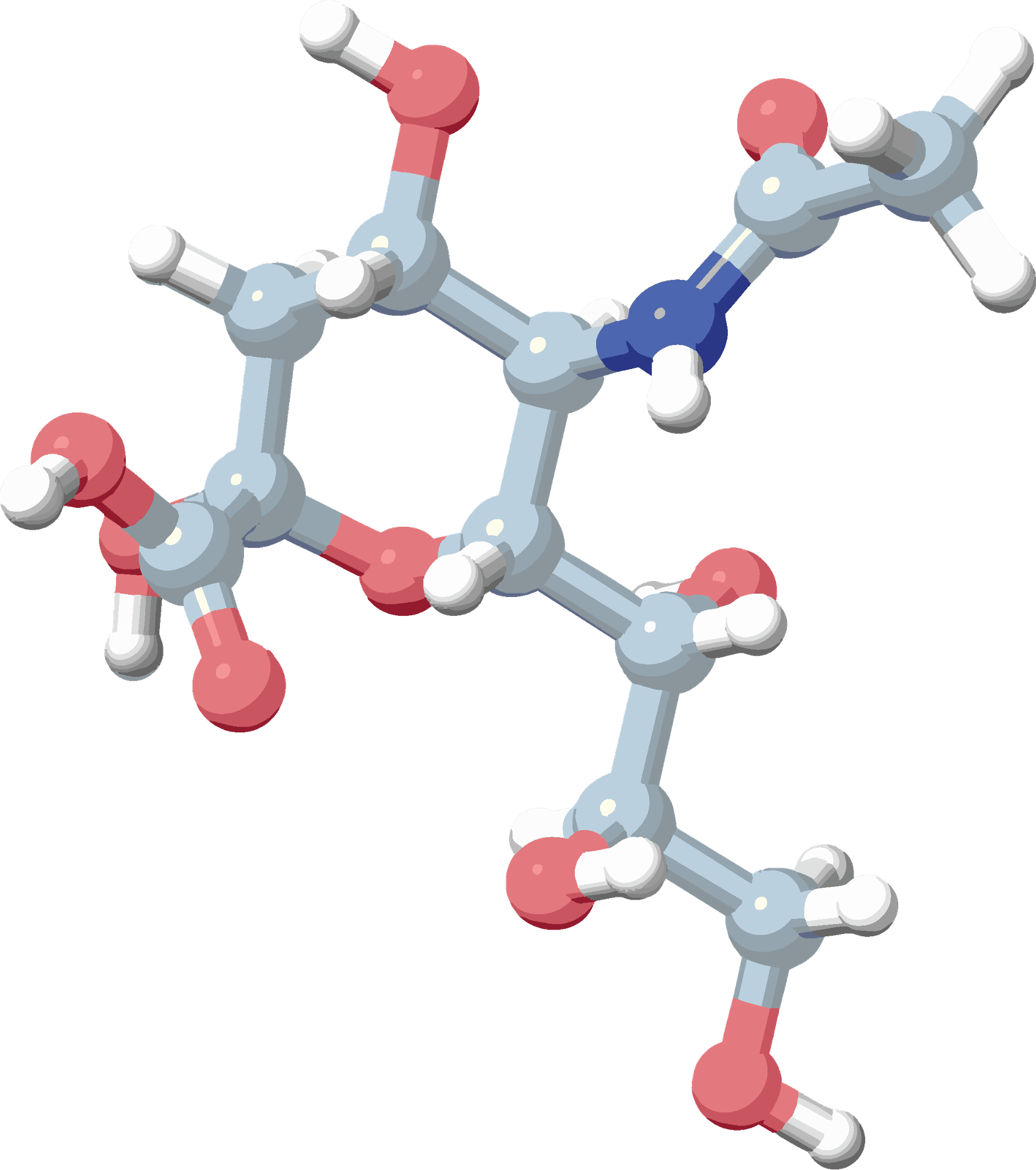
Hemagglutinin (HA) allows the virus to attach to cells by binding to sialic acid on the cell's surface. There are sixteen subtypes of hemagglutinin (H1-H16).
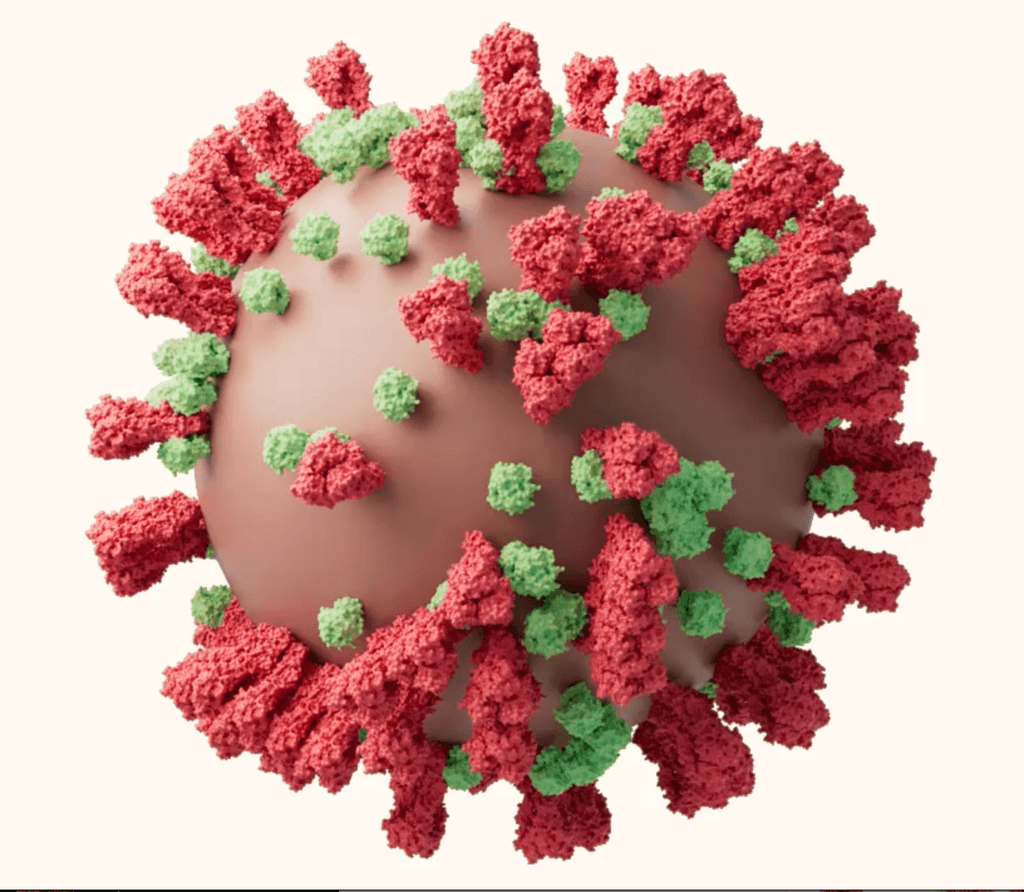
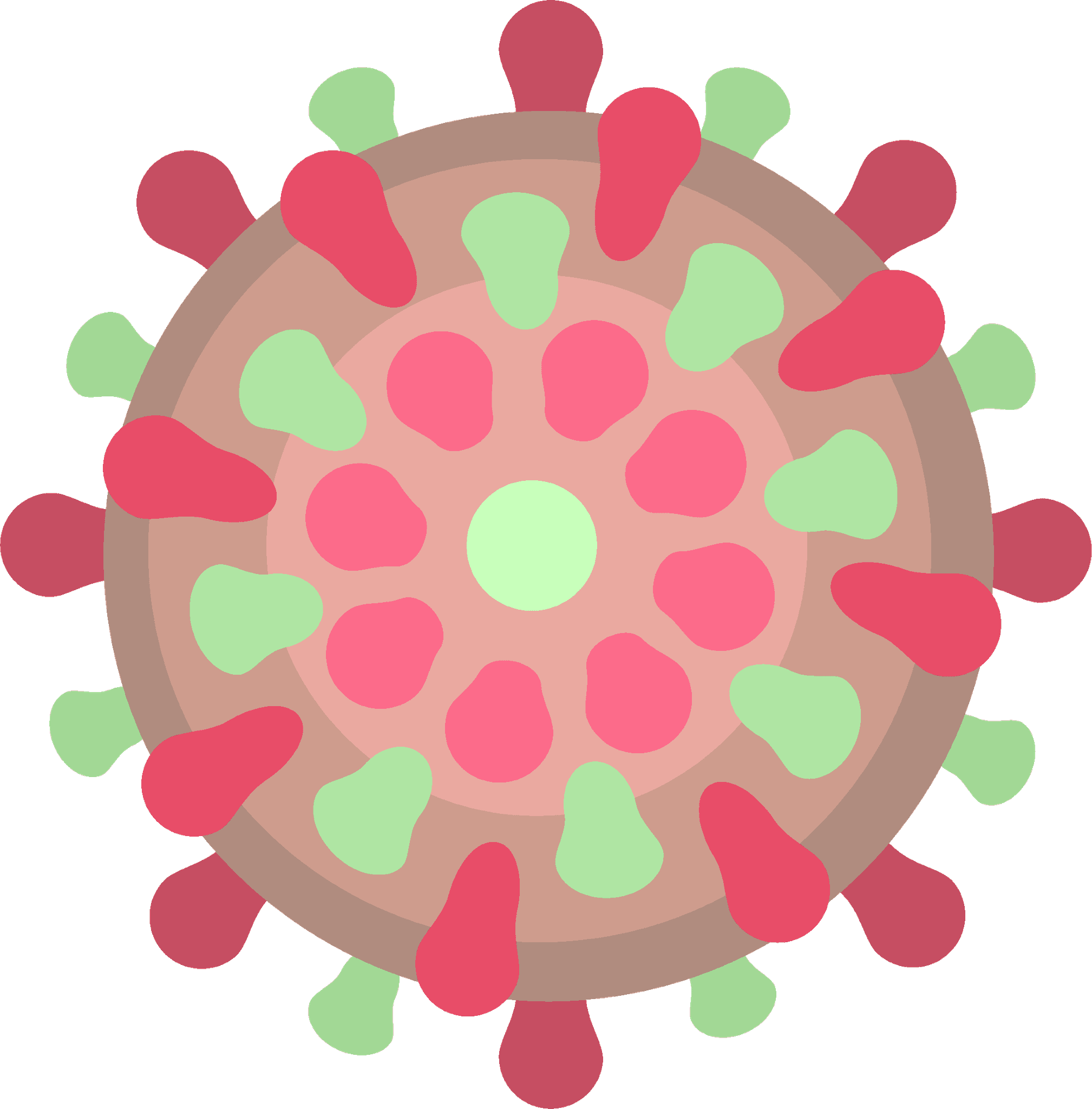
Viruses are covered in proteins–molecular structures that perform a function. Influenza A viruses have two main surface proteins, Hemagglutinin and Neuraminidase.
Sialic Acid —>
Avian Influenza Virus:
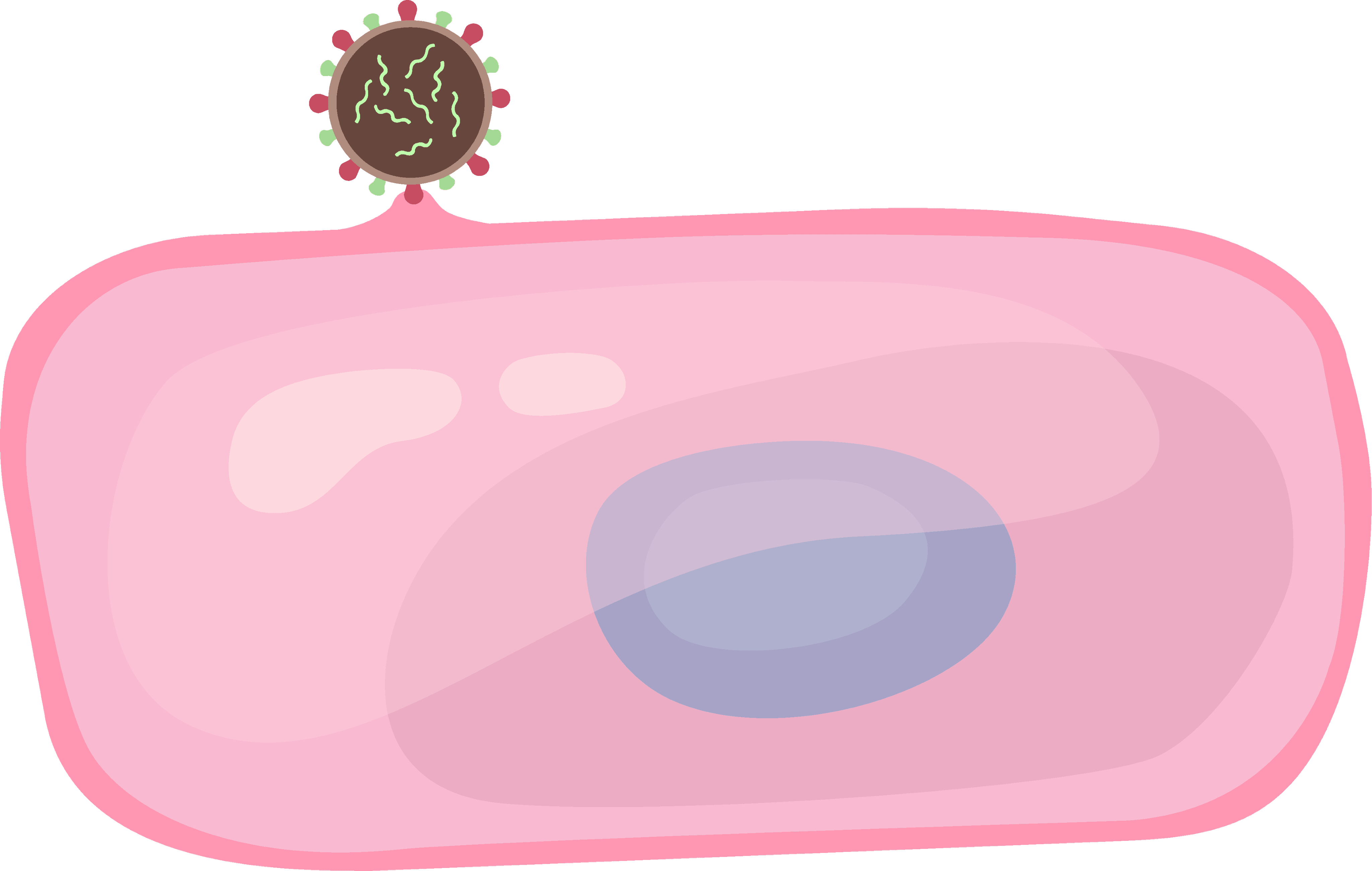
1.Virus attaches to cell by binding to a sialic acid receptor

Influenza viruses are respiratory, they attach themselves to the cells of the nose, throat, and lungs where they insert genetic material in order to replicate. This destroys the cells and causes illness.


Combinations of different subtypes of hemagglutinin and neuraminidase lead to different strains with varying contagion and severity.
Example 1: Influenza A virus with surface proteins H5 and N1 (H5N1) is a highly pathogenic strain; it causes widespread outbreaks in birds and has a high fatality rate in both birds and humans.
Example 2: Influenza A virus with surface proteins H7 and N9 (H7N9) is a low pathogenic strain; outbreaks are less severe and the virus is not usually fatal in birds or humans.
<—
<—